



Cyrusher Kommoda 3.0 | 750W 48V Full-Suspension Step-Through Electric Bike
US-KMDAMAX-GN
- Ready to ship


How Financing Works
Get your bike now and pay over time. At checkout, simply select Shop Pay to split your total into smaller, manageable payments.
Legal Disclaimer: Belcopia is an authorized retailer, but we are not a financing company. We do not issue credit, manage loans, or make approval decisions. All financing, eligibility checks, and payment plans are provided entirely and independently by Shop Pay and their lending partners (Affirm).
Shipping
Belcopia is committed to deliver the product in perfect condition at the address indicated by the customer in the checkout page. In order to optimize delivery, we thank the customer for indicating an address in which the order can be delivered within normal business hours.
Returns
Your money means nothing to us if you are unhappy with your purchase with us. Customer satisfaction with our products is important to us, which is why we do returns and refunds, if the customer is not satisfied with our products. Simply send us an email, contact us on live chat, or if it can’t wait, call us and we’ll make things right.
Return windows and terms are set by each brand. Most purchases made on our website can be returned after delivery — see our Brand Return Terms for the window and conditions that apply to your bike. In most cases the buyer is responsible for the cost of returning the product.
If you have any questions, please view our Shipping Policy page or Return Policy page.
Give us a call at (718) 808-6415, or email: support@belcopia.com.
We'll Match or BEAT that price!
Prepare the link to the same exact product on their store that you want on our store and give us a call (718) 808-6415
Full Manufacturer Backing: Cyrusher
Cyrusher builds high-performance fat tire and full-suspension e-bikes for adventure riders. As an authorized retailer, every Cyrusher we sell is backed by the manufacturer’s 2-year warranty.
Coverage Breakdown:
- 2-Year Frame, Motor & Controller: Coverage against manufacturer defects in materials and workmanship, limited to one replacement per part, per bike.
- 2-Year Battery: Coverage for defective lithium-ion batteries (excludes damage from power surges, improper chargers, or water damage).
- 2-Year Components: Hydraulic brakes, front fork, rear shock, bike computer, pedal assist sensor, charger, stem, handlebar, headset, seat post, bottom bracket, crankset, and shifting systems.
What’s Not Covered
Wear items (chains, rims, spokes, brake pads, tubes, tires, rotors, grips, seats) and gears/accessories.
How to File a Claim
Email your proof of purchase and photos/video to support@belcopia.com and our team will coordinate directly with Cyrusher.
 RangeUp to 68 Miles
 SpeedUp to 28 MPH
 Battery48V 20Ah (960Wh)
 Weight83 lbs
 DrivetrainShimano 7-Speed
 Motor750W Rear Hub

Cyrusher Kommoda 3.0
Step Through. Ride Over Anything.
"Almost every step-through e-bike makes the same trade: easy mounting in exchange for a rigid, street-only ride. The Kommoda 3.0 is one of the few that refuses the trade — a true step-through frame with full suspension, four-inch fat tires, and a torque sensor, at a price where most competitors give you none of the three. If stiff knees or rough pavement have been keeping you off two wheels, this is the build that removes both excuses."
— The Belcopia Team
BUILT FOR RIDERS WHO


- Want to swing a leg through the frame, not over it — knees, hips, or cargo on the rack make top tubes a daily fight
- Ride real streets: potholes, curb cuts, gravel shortcuts — and want suspension at both wheels soaking it up
- Are between 4'9" and 6'3" — one frame fits the whole household
- Want power that responds to how hard you pedal, not an on/off jolt
- Value comfort over grams — this is a plush 83 lb cruiser, not a race bike
SUSPENSION WHERE IT COUNTS


Both Wheels Track the Ground
Most step-throughs give you a basic front fork and call it a day. The Kommoda 3.0 pairs an oil-and-spring suspension fork with a genuine rear air shock — full suspension on a step-through frame, still rare at any price and almost unheard of at $1,599. Add 20"×4" puncture-resistant fat tires and the bike flattens broken pavement, boardwalk seams, and packed trail the way a rigid commuter simply can't. Your wrists and lower back notice on the first ride.
POWER THAT LISTENS, NOT LURCHES


Assistance That Matches Your Effort
The 750W rear hub motor is managed by a torque sensor — it measures how hard you're actually pedaling and scales assistance to match, hundreds of times per second. The result feels like your own legs on a very good day, instead of the surging on/off push of the cadence sensors common at this price. Five assist levels take you up to 28 mph, and a twist throttle is there when you just want to get home.
KEY FEATURES

Guarded LED Headlight
A bright, caged headlight straight off a moto — see and be seen on dawn commutes.
Oil-Spring Front Fork
The front half of the full-suspension story — paired with 4-inch rubber, it erases broken pavement.

Integrated Brake Light
Lights up when you brake, like a car — drivers behind you react sooner.

Cargo-Ready Rear
A rack-mounted rear end rated into the bike's 350 lb payload — panniers, baskets, or a week of groceries.

Torque Sensor
Assistance that mirrors your pedaling effort in real time — smooth starts, natural climbs, no lurch.
COMPARE STEP-THROUGH E-BIKES

Kommoda 3.0
$1,599
|

Aventon Pace 4 ST
$1,599
|

Aventon Pace 5 REC
$1,799
|
|
|---|---|---|---|
| Motor | 750W Rear Hub | 500W Hub | 750W Hub |
| Battery | 960Wh (48V 20Ah) | — | 733Wh |
| Range | Up to 68 mi | — | Up to 75 mi |
| Suspension | Full — fork + rear air shock | — | — |
| Tires | 20"×4" Fat, puncture-resistant | — | — |
| Pedal Feel | Torque sensor | Torque sensor | Torque sensor |
| Payload | 350 lbs | — | — |
— spec not listed on the manufacturer's product page. Competitor pricing and specs checked July 2026 on aventon.com — verify current details on their site.
SEE IT IN ACTION
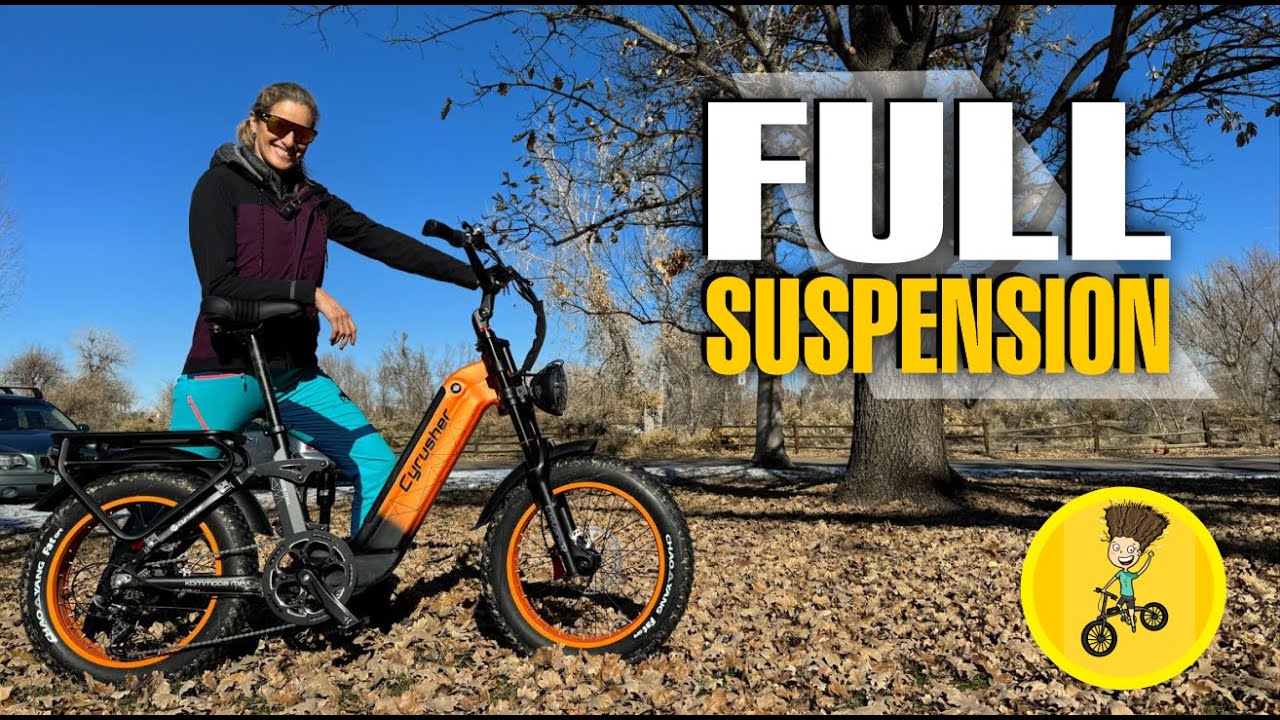
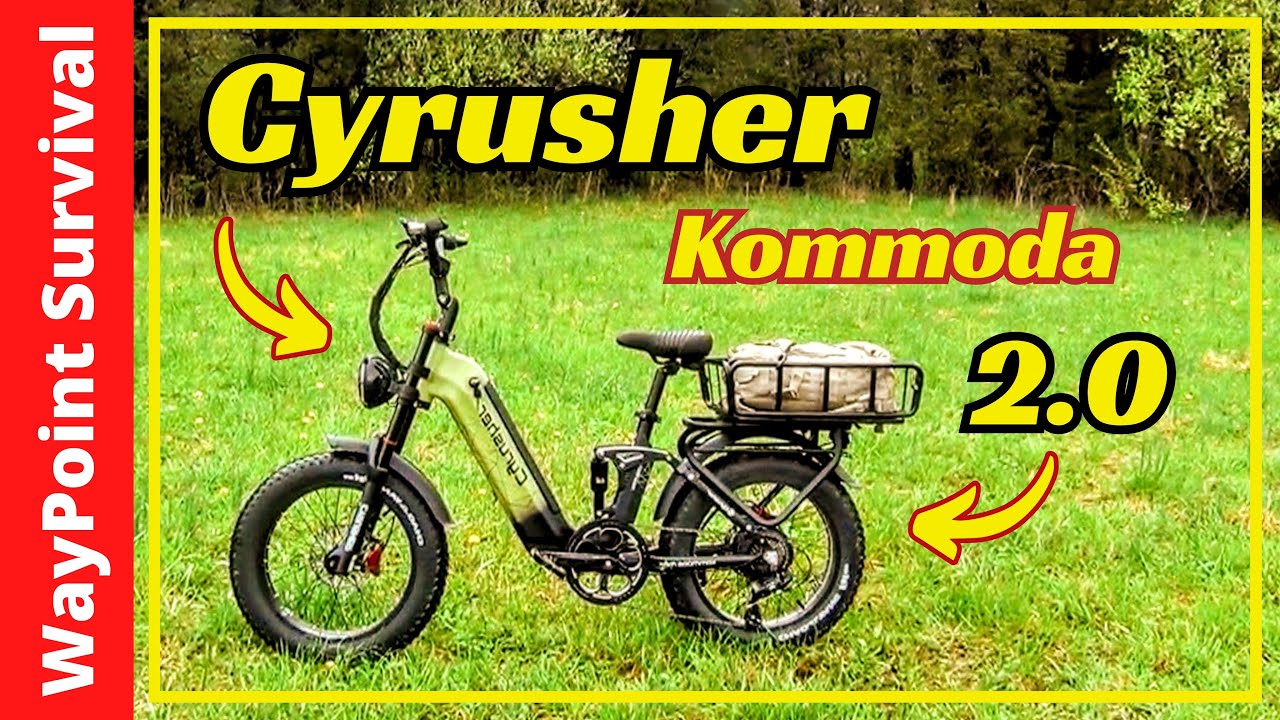
| Motor | 48V 750W Brushless Rear Hub |
|---|---|
| Battery | 48V 20Ah (960Wh), internal |
| Range | Up to 68 miles (110 km) |
| Top Speed | Up to 28 mph on Level 5 PAS |
| Sensor | Torque sensor |
| Suspension | Oil-spring front fork + rear air shock |
| Tires | 20" × 4" Chaoyang puncture-resistant fat |
| Brakes | Hydraulic disc, 180mm front + rear |
| Gearing | Shimano 7-speed (SL-TX50-7R) |
| Frame | 6061 aluminum, step-through, internal battery |
| Weight | 83.11 lbs (37.7 kg) with battery |
| Payload | 350 lbs |
| Rider Height | 4'9" – 6'3" (150–195 cm) |
| Display | 3.7" color LCD smart computer |
| Charge Time | 6–7 hours (48V 3.0A charger) |
| Derailleur | Shimano 7-speed rear |
|---|---|
| Crank Set | 170mm forged 52T alloy, dual-sided |
| Chain | KMC stainless |
| Throttle | Twist throttle |
| Handlebar | Aluminum alloy 31.8mm, 620mm |
| Seat Post | 33.9mm, height adjustable |
| Saddle | Breathable ergonomic sport cushion |
| Rims | Aluminum alloy |
| Spokes | 12-gauge stainless steel |
| Kickstand | 6061 aluminum |
| Battery Lifetime | 800 charge cycles |
| Charger | 48V 3.0A |
Is the Kommoda 3.0 easy to get on if I have knee or hip issues?
That's the point of the frame. The step-through design means you swing your leg through the middle of the bike, not over a top tube, and the fit range covers riders from 4'9" to 6'3". Combined with the upright riding position and cushioned saddle, it's one of the most accessible full-power e-bikes we carry.
How far does it really go on a charge?
Cyrusher rates it up to 68 miles, which assumes lower assist levels and moderate speeds. Ride it hard at high assist on hills and expect meaningfully less — heavier riders and cold weather reduce range on every e-bike. For daily commutes of 10–20 miles you'll be charging about twice a week.
Isn't 83 lbs heavy?
Yes — and it's worth being honest about. The weight comes from the full suspension, fat tires, and the 960Wh battery, and you don't feel it while riding because the motor does the work. You will feel it carrying the bike up stairs. If you need to lift your bike regularly, a lighter rigid commuter is a better fit; if it lives in a garage or at ground level, the weight buys you comfort nothing lighter can match.
What does the torque sensor actually do?
It measures how hard you press the pedals and matches the motor's assistance to your effort in real time. Cheaper cadence sensors just detect that the pedals are turning and dump in a fixed amount of power, which feels jerky. Torque-sensing bikes feel natural — most riders describe it as 'my legs, amplified.'
How long does charging take, and how long does the battery last?
A full charge takes 6–7 hours with the included 48V charger, and the battery is rated for 800 charge cycles. The pack is built into the frame but removable, so you can charge it on or off the bike.
How fast does it go?
Up to 28 mph using pedal assist at the highest level, with a twist throttle for when you don't want to pedal at all. Assist behavior is adjustable, so you can keep it at Class 2 limits (20 mph) if your local rules require it — check your state and trail regulations.


